Upholstery Stain Removal: Tackling Food Stains, Bacteria, and Quick Drying
Achieving fresh, hygienic, and spotless upholstery is possible when you master upholstery stain removal food stains bacteria quick drying methods.
From accidental spills during family meals to hidden food residue that harbors bacteria, upholstery is more vulnerable than you may think. Tackling these issues calls for smart stain removal, targeted sanitization, and effective drying techniques made for busy homes.
In this guide, you’ll discover the science behind stain formation, the best cleaning practices, and why fast drying is your secret weapon against persistent stains and germs. Let’s dive into a comprehensive approach designed to keep your sofas, chairs, and soft furnishings looking their best—and healthiest.
Understanding Upholstery Stains
Everyday living naturally leads to stains—especially from foods and drinks—making quick and proper reaction essential for long-term upholstery health. Did you know upholstery can trap not just stains but also harmful bacteria? Understanding the types of stains and their risks is the first step to prevention and safe removal:
- Protein-based stains (milk, eggs) can set fast and require immediate action.
- Oil and grease stains from foods may penetrate deep, making removal difficult.
- Acidic stains like wine, coffee, or fruit juices can bleach or discolor fabrics.
- Bacteria thrive where food residue is left behind, risking hygiene and health.

Effective Removal Techniques
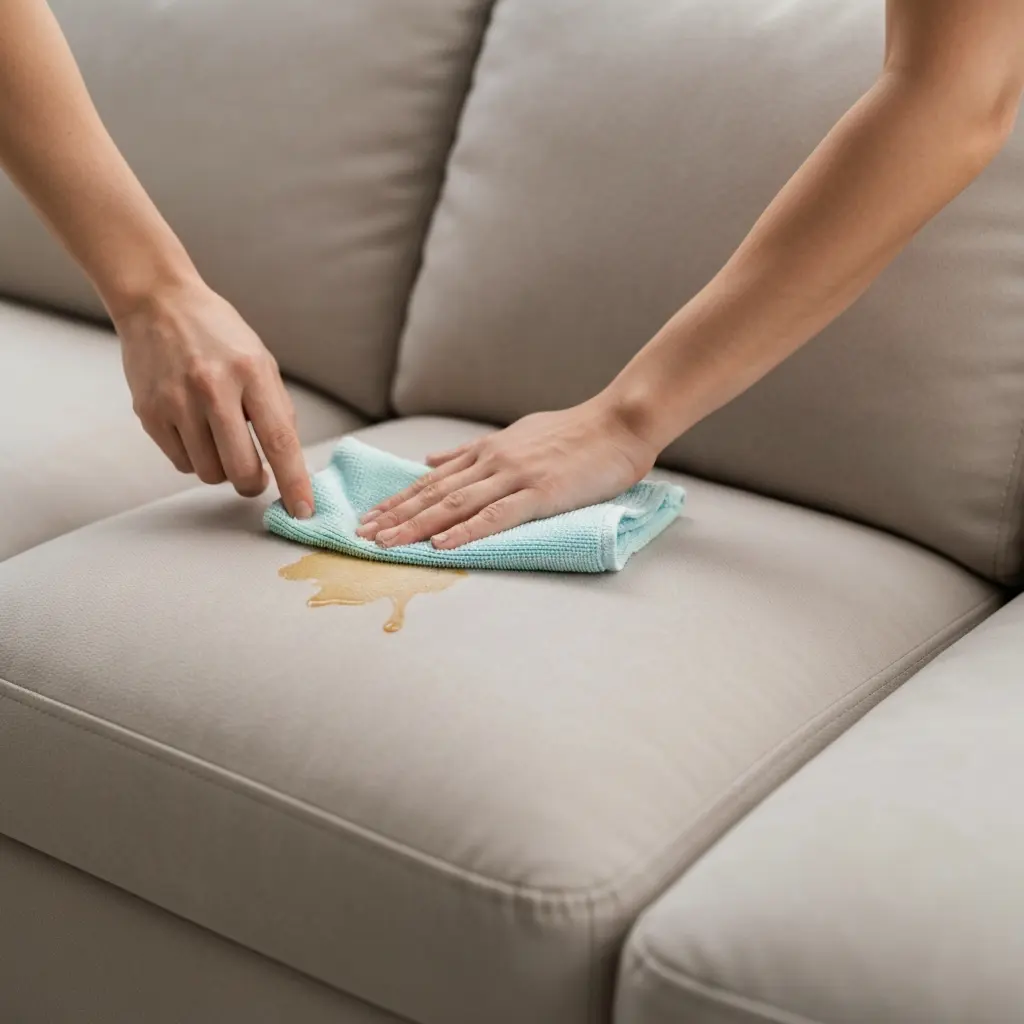
Stubborn food stains and bacteria require methodical upholstery stain removal. Use dedicated cleaning agents and careful technique to protect the fabric and reach deep residues. Here’s what works best:
- Pre-treat stains as soon as possible to prevent them from drying and setting.
- Use enzyme-based cleaners for organic food stains; test on a hidden area first.
- Avoid hot water for protein or dairy stains—it can make them permanent.
- Blot rather than scrub, to prevent spreading or damaging fibres.
Bacteria and Upholstery Hygiene
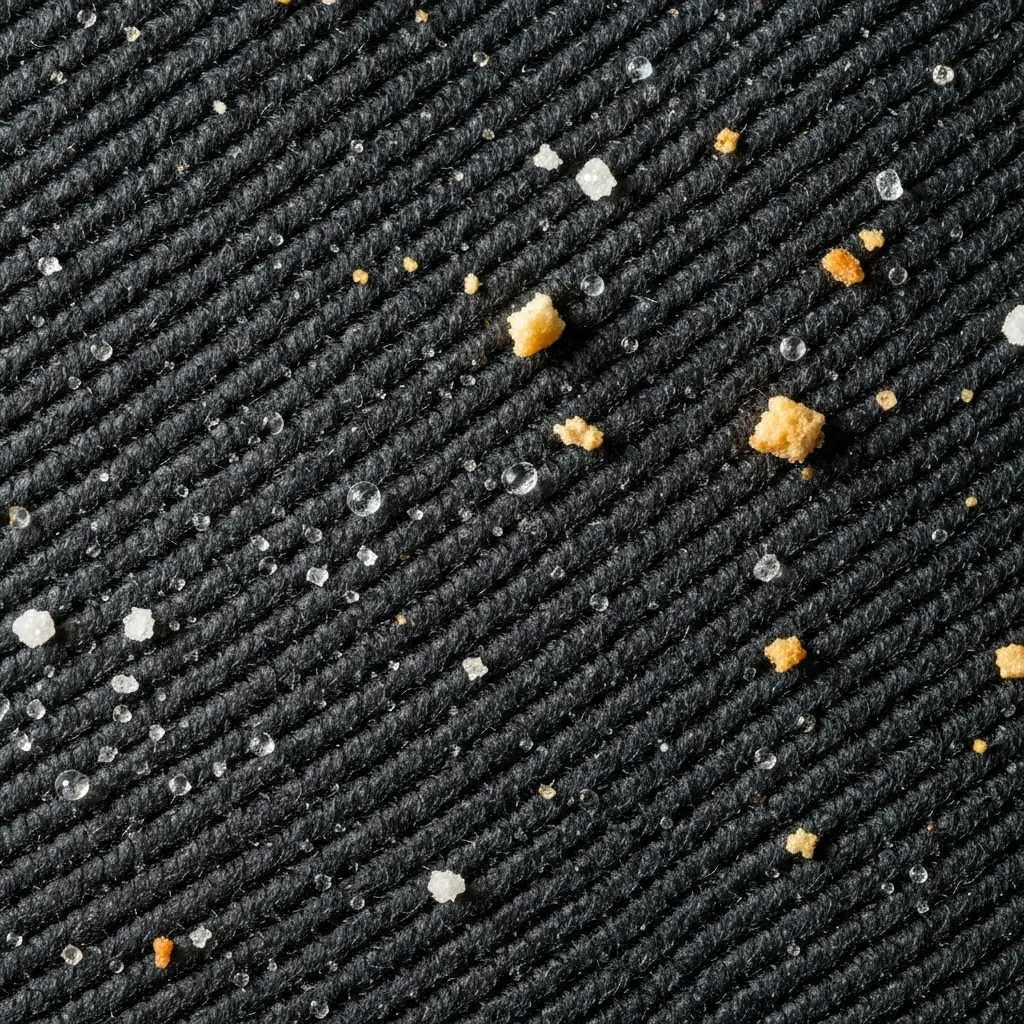
Food stains not only spoil the look of your fabric, but also provide a breeding ground for bacteria. Prioritizing good hygiene is critical for health and maintenance:
- Common bacteria include E. coli and Staphylococcus from food or hands.
- Sanitize routinely with upholstery-safe antibacterial sprays.
Quick Drying Methods
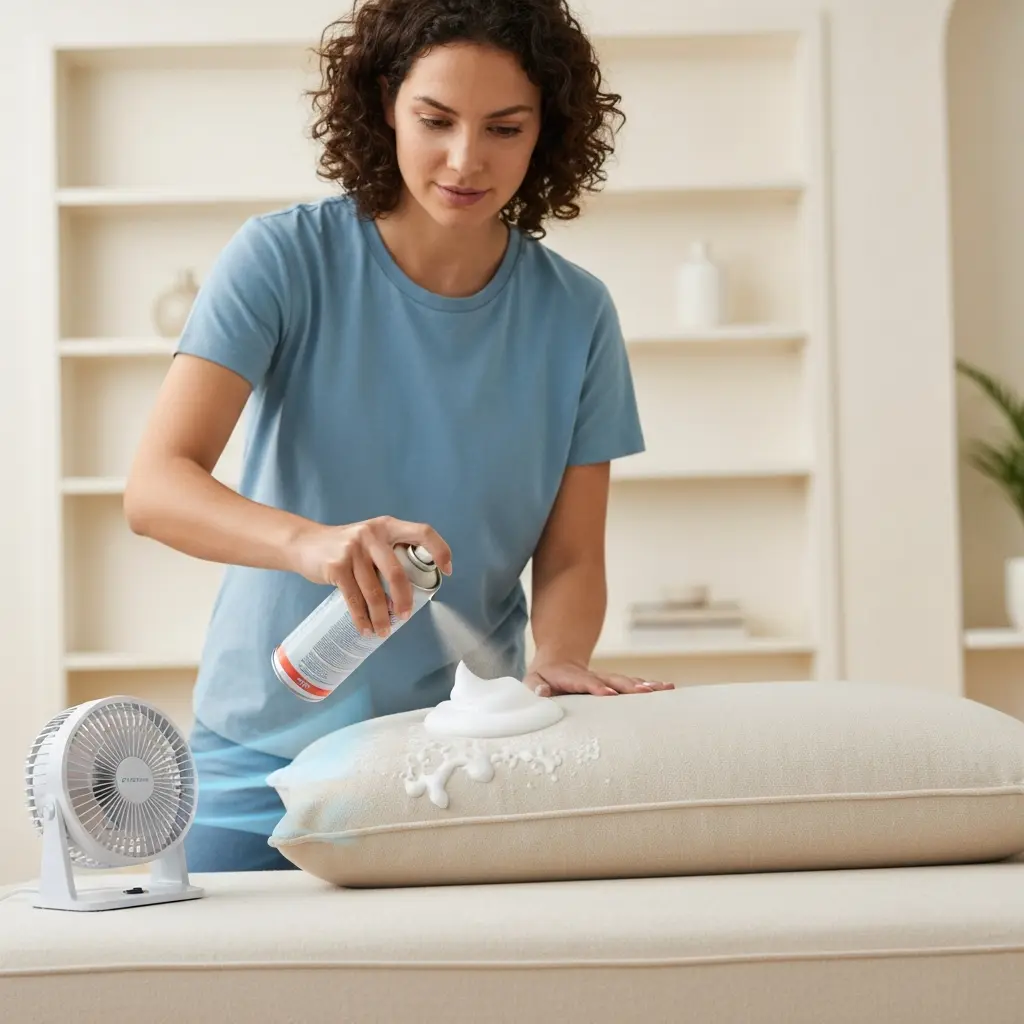
After removing stains and bacteria, rapid drying prevents mould and mildew. Proper drying also restores the comfort and appearance of your upholstery:
- Use fans or dehumidifiers for fast air drying.
- Machine-assisted drying is essential for larger jobs and deep cleans.
Prevention and Aftercare Tips
Maintaining flawless upholstery means more than occasional spot cleaning. Develop a regular cleaning routine, use protective covers, and treat stains quickly to minimize bacteria and staining risks. By acting fast and using upholstery stain removal food stains bacteria quick drying strategies, you extend the life and pristine look of your favourite pieces.
Explore our professional upholstery cleaning services for deep hygiene and fresh results!
DUK
How do I know if bacteria is present in my upholstery?
Bacteria are invisible, but persistent odors or unexplained stains can indicate microbial growth. Routine sanitization helps prevent this. For thorough assessment, consider a professional inspection.
Is quick drying really necessary after stain removal?
Yes, rapid drying minimizes the risk of mould, mildew, and bacteria growth within the upholstery fibers. Always dry your furniture thoroughly after cleaning.
Want to learn more about upholstery fabrics and cleaning? Visit Wikipedia’s upholstery page for a deeper dive. Or see real cleaning results in our gallery.